Home Rewiring
Home Rewiring Rocky Mount NC Done Right the First Time
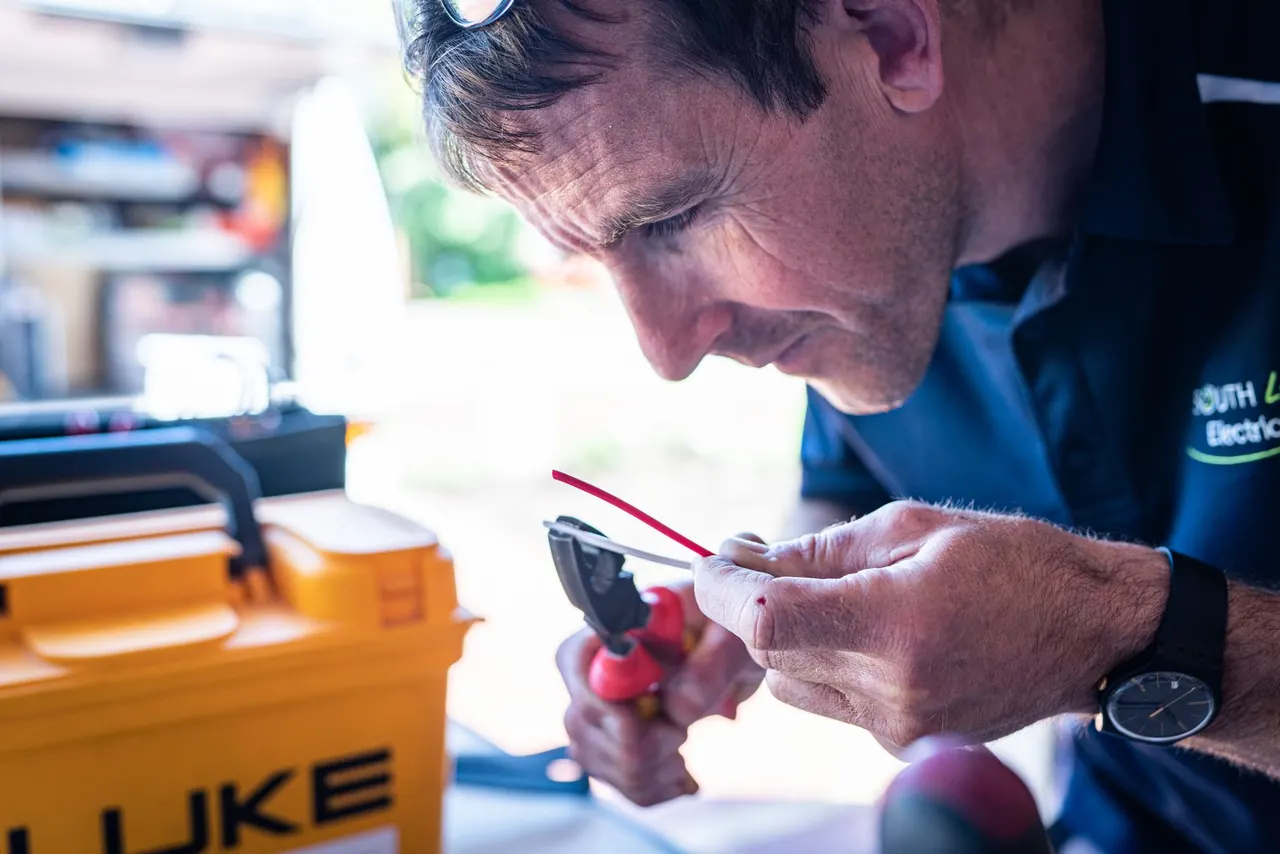
Home Rewiring Rocky Mount NC means pulling every outdated circuit out of your walls and replacing it with copper Romex, modern grounding and code-correct protection. We handle whole house rewiring in Rocky Mount for owners of 1950s mill houses, 1970s ranches and older downtown properties still running on aluminum or knob and tube wiring. If breakers trip every time the dryer kicks on, it is time to call.
Service overview
What Home Rewiring Rocky Mount NC Actually Involves
Home Rewiring Rocky Mount NC is the full replacement of a home's branch circuits, feeders and grounding system with new copper conductors, junction boxes and a modern service panel. We pull old cloth-wrapped, aluminum or knob and tube wiring out of the walls and fish new Romex through the same cavities, then land every circuit on a Square D or Eaton panel with AFCI and GFCI protection where the NEC code requires it. Outlets, switches, smoke detectors and light fixtures get replaced at the same time so nothing old stays in the loop.
Most Rocky Mount homes built before 1980 were never designed for the loads we run today. A single window AC unit, a microwave and a hair dryer on one circuit will trip a 15-amp breaker every time. If you are searching for a rewire old house near me Rocky Mount solution because your lights flicker when the fridge kicks on, or you smell a faint burning at an outlet, the wiring behind the drywall is the problem. A whole house rewiring Rocky Mount NC project fixes the root cause instead of chasing dead outlets one at a time.
Practical benefits
Why Rocky Mount Homeowners Rewire
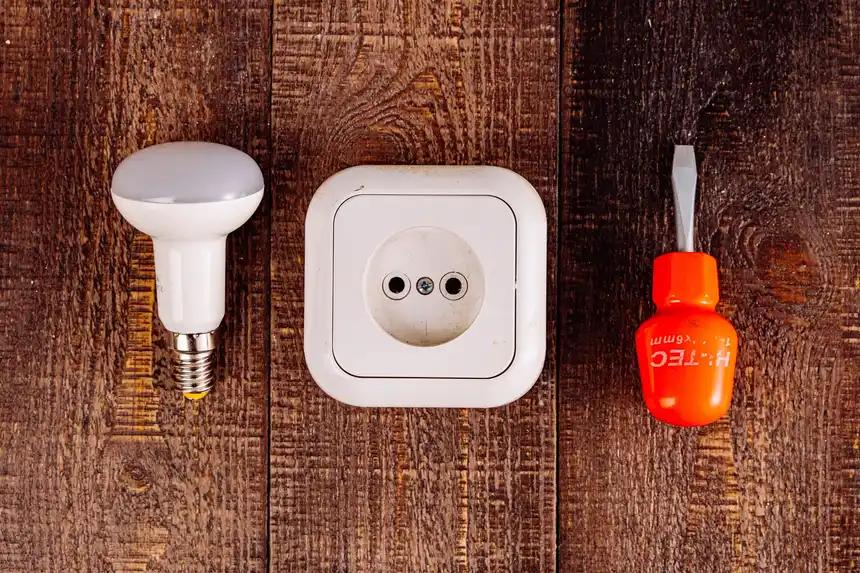
Rewiring is not cosmetic work. It removes the fire risk hiding behind your walls and gives your panel the capacity to run modern appliances without tripping. Here is what you actually gain.
Eliminates Fire Risk
Aluminum wiring and knob and tube insulation degrade with heat and age. Loose connections at backstabbed outlets arc inside the box. Replacing those circuits with copper Romex and torque-terminated devices removes the ignition source that causes most residential electrical fires in older Nash County homes.
Stops Breaker Tripping
If your tripping circuit breaker resets and trips again within minutes, the circuit is overloaded or shorted. A rewire splits the load across properly sized 20-amp circuits so your kitchen, laundry and home office each get the amperage they need. No more extension cords running down the hallway.
Passes Inspection and Appraisal
Insurance carriers and home inspectors flag aluminum wiring, ungrounded outlets and double-tapped breakers. A documented whole house rewiring in Rocky Mount North Carolina with permits and inspection sign-off clears those flags before a sale, refinance or policy renewal stalls out.
Adds Modern Capacity
A rewire is the right time to add dedicated circuits for a heat pump, EV charger, tankless water heater or workshop. We size the service panel and feeders so you are not paying twice. Most 1,500 to 2,000 square foot homes end up with a 200-amp panel and room for future growth.
How service works
How Our Rewiring Process Works
A full rewire is disruptive, so we plan it in stages and keep at least one bathroom and the refrigerator on a temporary circuit. Here is the sequence from first walkthrough to final inspection.
STEP 01
Walkthrough and Load Calc
We inspect the service panel, meter base and accessible wiring, then run a load calculation on your appliances and square footage. You get a written scope with circuit counts, panel size and a realistic timeline. Most walkthroughs take 60 to 90 minutes and cost nothing.
Tools and methods
Tools and Methods We Use
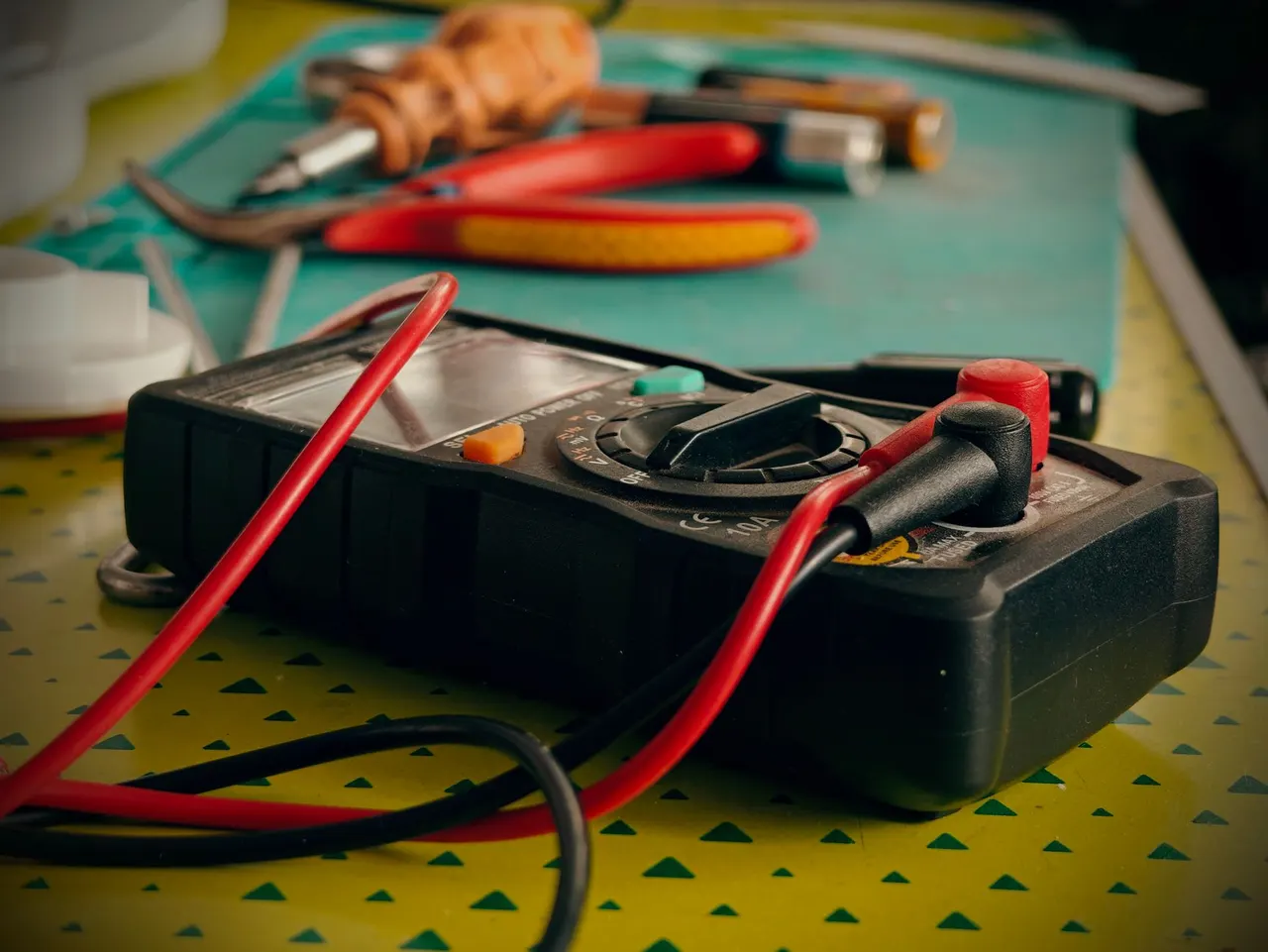
Fluke Multimeter and Clamp Meter
We verify voltage, continuity and amp draw on every circuit before and after the rewire. A clamp meter confirms actual load on a circuit so we size breakers to real numbers, not guesses.
Klein Tools Lineman's Pliers and Wire Strippers
Clean strip lengths and tight twists matter at every splice. We use Klein strippers and lineman's pliers so wire nuts seat correctly and connections stay tight for decades.
Greenlee Fish Tape and Cable Ripper
Fishing new Romex through finished walls without tearing them apart is a skill and a tool problem. Fish tape and a cable ripper let us reuse existing cavities and minimize drywall repair.
Circuit Breaker Finder
Before we cut anything, we map every circuit to its breaker. That prevents surprises, lets us isolate only the circuit we are working on, and gives you an accurate panel schedule at the end.
GFCI Tester
Every GFCI outlet gets tested for trip time and correct wiring after installation. A tester also confirms ground continuity on three-prong receptacles we install during the rewire.
Southwire Romex and Conduit
We use UL-listed Southwire copper cable for branch circuits and EMT or PVC conduit for exposed runs in garages, basements and exterior walls where cable needs mechanical protection.
Square D, Eaton and Siemens Panels
We install UL-listed service panels from Square D, Eaton or Siemens depending on your service size and configuration, with AFCI and GFCI breakers matched to each circuit.
NEC Code Compliance
Every rewire is designed to the current National Electrical Code: box fill, conductor ampacity, AFCI and GFCI requirements, grounding and bonding, and working clearances at the panel. We pull a permit so an independent inspector verifies the work.
NFPA 70E Safety Practices
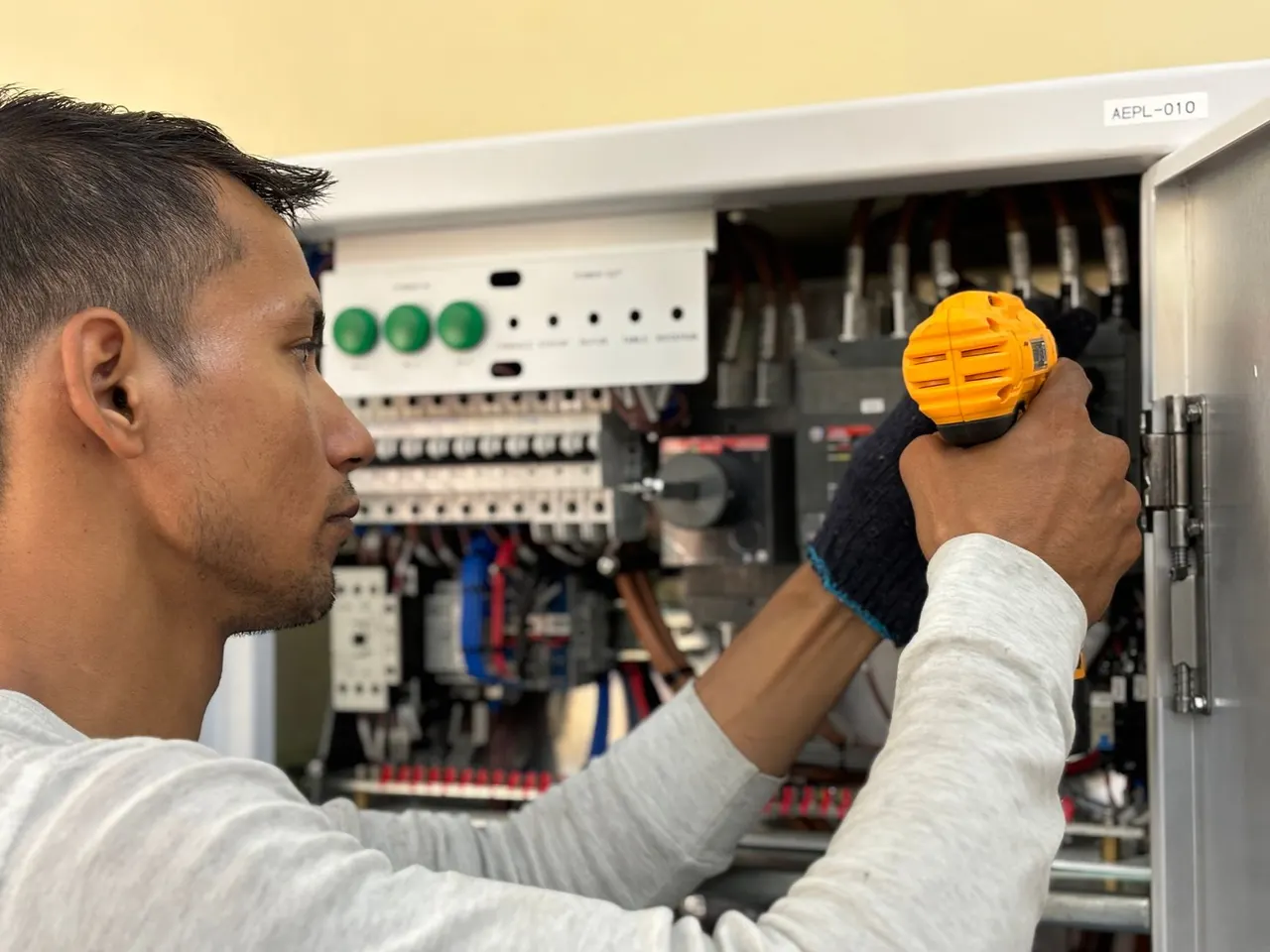
Our crew follows NFPA 70E for arc flash boundaries, PPE and lockout procedures when working in live panels. We de-energize whenever possible and treat every circuit as live until we test it ourselves.
Load Calculation
Before we size a panel or split circuits, we calculate the actual connected load: square footage, appliance nameplate ratings, HVAC, water heating and any future additions. That calculation drives the circuit count and panel size.
Circuit Mapping and Labeling
We trace and label every home run at the panel and produce a printed schedule. It saves time on future service calls, helps the next electrician, and makes generator or surge protection installs straightforward.
Torque-Terminated Connections
Loose terminations cause most residential electrical failures. We torque breaker lugs, neutral bars and device screws to manufacturer spec with a calibrated driver instead of guessing by feel.
Where this service fits
When Rocky Mount Homeowners Rewire
You just bought a 1950s mill house near Rocky Mount Mills and the inspection report lists aluminum wiring and a 100-amp fuse panel.
We rewire the branch circuits, upgrade to a 200-amp breaker panel, install AFCI and GFCI protection, and pull the permit so the work is documented for your insurer and future resale. The house passes re-inspection, your insurance carrier accepts the policy, and you have modern capacity for a heat pump and EV charger later.
Your kitchen remodel is opening walls anyway, and you want the wiring behind them brought up to code while everything is exposed.
We rough in new dedicated circuits for the range, microwave, dishwasher and countertop receptacles, install GFCI outlets and add recessed lighting on a dimmer before the drywall goes back up. You avoid a second round of demolition, the kitchen passes inspection, and the new circuits carry the appliance load without tripping.
You are adding a standby generator after last winter's ice storm and the existing panel has no room for a transfer switch.
We replace the service panel, install a Generac or Kohler transfer switch, run the generator inlet and feeder, and label the critical circuits the unit will carry during an outage. The generator runs your furnace, refrigerator, well pump and a few lights automatically, and the panel has spare capacity for future circuits.
Your rental property near Downtown Rocky Mount keeps getting cited for ungrounded outlets and a missing GFCI in the bathroom.
We rewire the affected circuits, install GFCI outlets in the kitchen, bath and exterior, add AFCI breakers and correct the code items the inspector listed. The citations clear, the unit rents faster, and you have a labeled panel schedule that makes future service calls quicker and cheaper.
Local execution
How Rewiring Works in Rocky Mount Homes
Rocky Mount's housing stock splits into three rough eras, and each one rewires differently. Mill-era homes near Rocky Mount Mills and Mill Village often have knob and tube wiring, plaster walls and undersized 60-amp services. Postwar ranches in Edgemont and Sunset Avenue typically have aluminum branch circuits and 100-amp panels. Homes built after 1980 usually just need panel capacity and code corrections rather than a full rewire. Summer heat and humidity here push HVAC loads hard, and winter ice storms knock out power for days, which is why so many homeowners add a generator inlet during the rewire. Nash County inspectors want to see AFCI protection on living area circuits and GFCI protection in kitchens, baths, garages and outdoors. If you are pricing the cost to rewire a house in Rocky Mount North Carolina, the biggest variable is wall access: plaster and finished basements add labor, while open attics and crawlspaces cut it. We schedule rough-in around your family's routine and keep critical circuits live.
Rocky Mount Mills
Mill-era homes here often have original knob and tube wiring and plaster walls, so we plan extra time for wall access and patching.
Edgemont
Postwar construction with aluminum branch circuits and 100-amp panels. Most of these homes need a full rewire plus a service upgrade.
Sunset Avenue
A mix of older ranches and two-story homes. Crawlspace access is usually good, which keeps rough-in labor lower than a slab home.
West Haven
Newer construction that typically needs panel capacity upgrades and code corrections rather than a full rewire.
Summer heat and high humidity
HVAC and dehumidifier loads run near continuous from June through September, which exposes undersized circuits and overloaded panels fast. We size cooling circuits for the real load.
Winter ice storms and multi-day outages
Rocky Mount sees ice events that knock power out for days. Many rewire customers add a generator inlet and transfer switch while the panel is already open.
Older homes with plaster and lath walls
Plaster is harder to open and patch than drywall, which adds labor to a rewire. We use fish tape and existing cavities wherever possible to limit the damage.
Problems we solve
Electrical Problems a Rewire Solves
Most calls we get are symptoms, not the disease. Here are the problems Rocky Mount homeowners describe on the phone and what is usually causing them behind the wall.
Breaker trips every time a major appliance starts
We run a load calculation, split the overloaded circuit into properly sized dedicated runs, and replace any breaker that has lost calibration. Kitchens, laundry and HVAC each get their own circuit so nothing fights for amperage. You end up running extension cords and resetting the panel daily. Repeated tripping also heats the breaker and bus bar, which shortens panel life and can weld a breaker in the on position.
Warm outlet covers or a burning smell
We open the box, inspect the conductors and device, and replace the damaged section with new copper and a torque-terminated outlet. If the same problem shows up on multiple circuits, we recommend a full rewire rather than patching one box at a time. Heat at a receptacle means resistance at the termination, usually a backstabbed connection or a loose aluminum wire. Left alone it arcs inside the box and ignites the framing or insulation around it.
Two-prong ungrounded outlets throughout the house
We run a new grounded conductor to each outlet, install three-prong receptacles and verify ground continuity with a GFCI tester. On a full rewire this happens as part of the rough-in, so you are not paying for a second round of wall openings. Ungrounded circuits are a shock hazard and a code violation. Surge protectors and most electronics will not perform correctly, and home inspectors flag them during a sale.
Aluminum wiring in a 1960s or 1970s home
We repair aluminum with approved copper pigtails and AlumiConn connectors on circuits we can save, and replace the rest with copper Romex during a rewire. Every repaired connection gets torqued and tested before the box is closed. Aluminum expands and contracts with heat, loosening at every termination. That looseness creates arcing, and aluminum branch circuits are tied to a documented share of residential electrical fires.

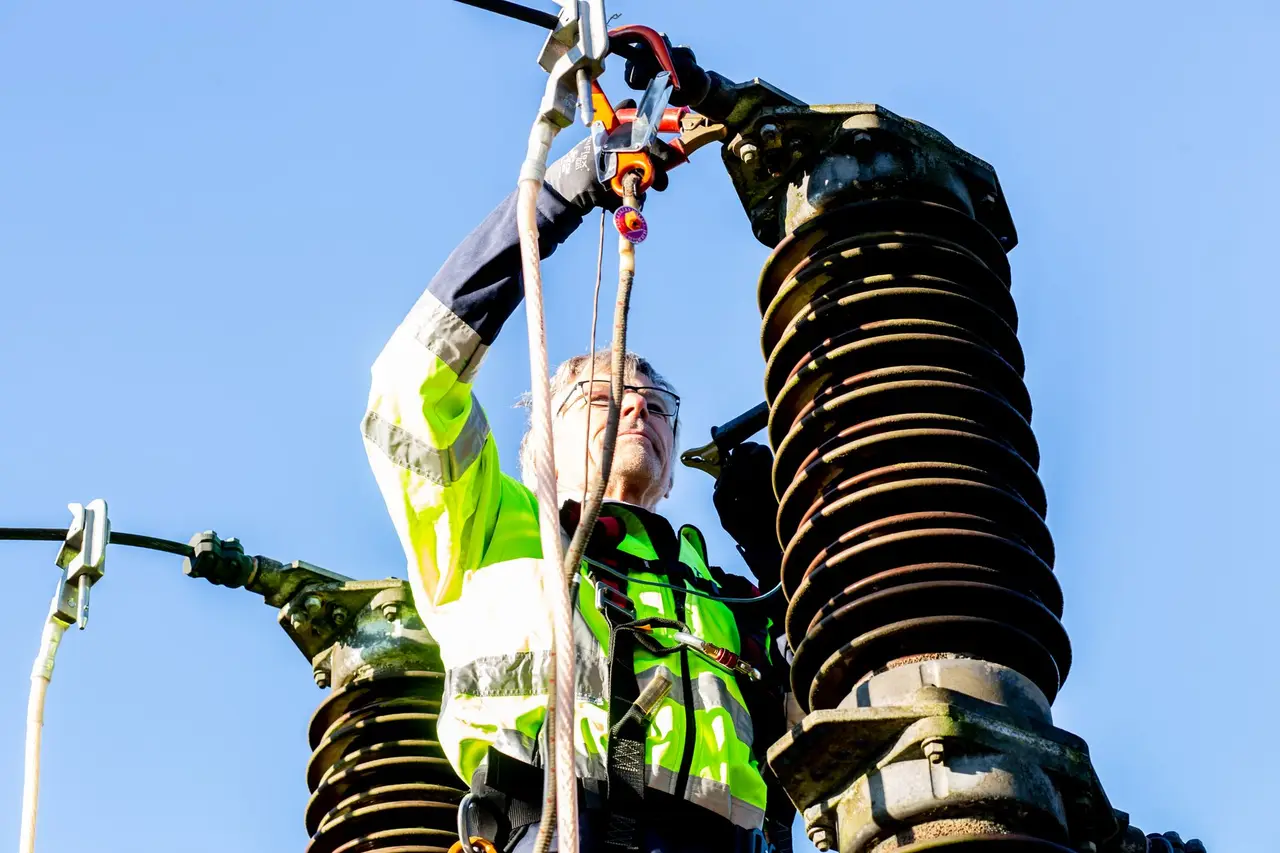
A practical standard for every visit.
Clear planningPrepared arrivalsCareful workLocal follow-through
Experience in the details
Local Electrical Expertise You Can Verify
Our electricians hold North Carolina state electrical licenses and work to NFPA 70E safety standards on every job. We carry the tools that separate a real rewire from a patch job: Fluke multimeters and clamp meters, Klein Tools lineman's pliers and wire strippers, Greenlee fish tape, and a circuit breaker finder that maps every circuit before we touch it. We have rewired mill houses near Rocky Mount Mills, ranches off Sunset Avenue and older two-story homes in Edgemont. Every job is permitted, inspected and warrantied.
Where we work
One local team. A lot of ground covered.
Downtown Rocky MountWest HavenNorthgreenEnglewoodBattleboroBelmontSouth Rocky MountMill VillageRocky Mount MillsSunset AvenueWinstead AvenueBenvenue
Check my address Notes from local customers
What Rocky Mount Homeowners Say
Our 1958 house still had the original two-prong outlets and a fuse panel. Rocky Mount Electric Pros rewired the whole place, put in a 200-amp panel and labeled every breaker. They kept the fridge and one bathroom running the entire time. The inspection passed on the first visit and the price matched the quote exactly.
We kept tripping the breaker every time the dryer and microwave ran together. They found aluminum wiring in two bedrooms and a burned backstab at the kitchen outlet. Full rewire took nine days and they patched the drywall better than I expected. No more tripping, and the panel schedule they left is genuinely useful.
I manage three rentals near Rocky Mount Mills and needed one rewired before a new tenant moved in. They worked around the move-in date, handled the permit and inspection, and installed GFCI outlets in both bathrooms and the kitchen. Clean work, no surprises on the invoice, and they came back to fix a dimmer at no charge.
Most full rewires in Rocky Mount run $8,000 to $18,000 in 2026, depending on square footage, wall access and panel size. Partial home rewiring Rocky Mount projects that cover only kitchens, baths or a single floor typically land between $2,500 and $6,000. The cost to rewire a house in Rocky Mount North Carolina climbs when walls are plaster, when the panel needs a service upgrade, or when attic and crawlspace access is tight.
The clearest signs your house needs rewiring Rocky Mount NC homeowners report are breakers that trip repeatedly, warm or discolored outlet covers, flickering lights when appliances start, and a faint burning smell. If your home has aluminum wiring, knob and tube wiring or two-prong ungrounded outlets, it needs rewiring regardless of how it behaves today. A $0 walkthrough with a voltage tester and clamp meter confirms it in under an hour.
A whole house rewiring Rocky Mount NC project on a 1,500 to 2,000 square foot home takes seven to twelve working days on site, plus permit and inspection time. Larger homes, plaster walls or full panel upgrades push it toward three weeks. We give you a day-by-day schedule at the walkthrough so you can plan around the noisiest days.
Yes, most families stay home during a rewire. We keep the refrigerator, one bathroom and at least one bedroom on a temporary circuit and shut down only the areas we are working in that day. Expect drywall patching, noise and furniture moved away from walls. If you have infants, elderly family members or medical equipment, tell us at the walkthrough and we will sequence the work around it.
Keep exploring
Related Electrical Services
Your next step is waiting
Get Your Home Rewiring Rocky Mount NC Quote Today
Breakers that trip and outlets that feel warm will not fix themselves. Call Rocky Mount Electric Pros at (252) 809-7893 for a free walkthrough, a fixed price and a schedule you can plan around. Licensed, insured and permitted in Nash County.
Start with the basics
Call Rocky Mount Electric Pros
We answer the phone 24 hours a day, seven days a week. Tell us your address and what's happening, and we'll send the closest truck. For non-emergency work, call between 8 a.m. and 6 p.m. and we'll schedule a visit that fits your day.